How to Maintain a Redwood Fence in Sacramento's Climate
Redwood Fence Maintenance Tips for Sacramento Homeowners

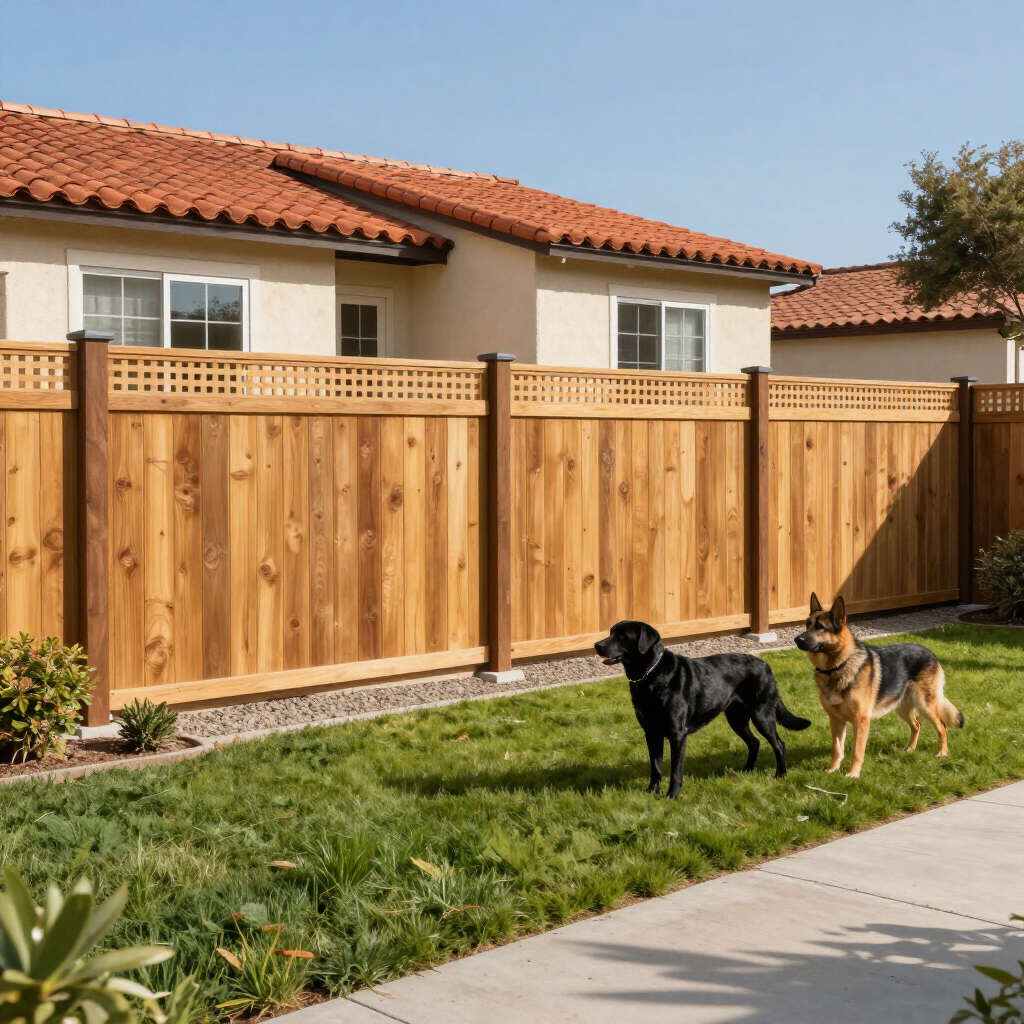
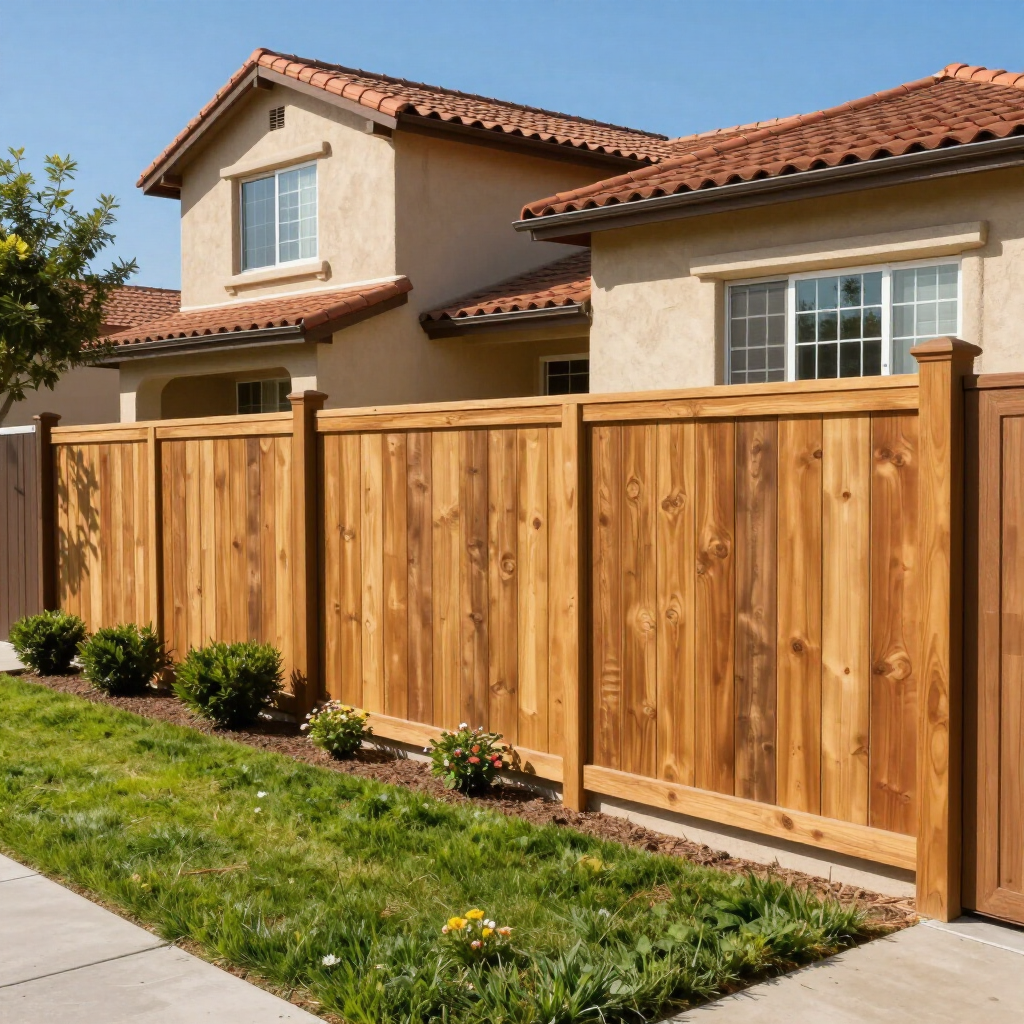
Redwood fencing has long been one of the most popular choices for homeowners throughout Sacramento and Northern California. Its natural beauty, resistance to insects, and impressive longevity make it an excellent investment for privacy, security, and curb appeal. However, even though redwood is one of the most durable wood species available, proper maintenance is essential to keep it looking great and performing well for decades.
Sacramento's climate presents unique challenges for wood fences. Long, hot summers, occasional heavy rains, and seasonal temperature fluctuations can all affect the appearance and durability of your fence. Fortunately, with the right maintenance routine, a redwood fence can provide decades of reliable service.
This guide explains everything homeowners should know about maintaining a redwood fence in Sacramento's climate.
Why Redwood Is Popular in Northern California
Redwood fencing has remained a favorite throughout Sacramento, Elk Grove, Roseville, Woodland, and surrounding communities because it offers several advantages over other wood species.
Benefits of redwood fencing include:
- Natural resistance to insects
- Resistance to decay and rot
- Beautiful color and grain patterns
- Strong structural stability
- Long lifespan
- Excellent curb appeal
While redwood is naturally durable, exposure to the elements still causes wear over time. Proper maintenance protects your investment and extends the life of your fence.
How Sacramento's Climate Affects Redwood Fences
The climate in Sacramento creates several challenges for wood fencing.
Common environmental factors include:
Intense Summer Heat
Temperatures often exceed 100 degrees during the summer months. Prolonged exposure to sunlight can cause wood to:
- Dry out
- Fade in color
- Develop small cracks
- Expand and contract
Seasonal Rain
Winter rains introduce moisture that can lead to:
- Mold growth
- Mildew
- Rot near the base of posts
- Soil movement around footings
Temperature Changes
Repeated cycles of heating and cooling place stress on wood fibers, causing gradual weathering over time.
Understanding these conditions helps homeowners create a maintenance schedule that keeps redwood fences looking their best.
How Long Does a Redwood Fence Last?
One of the biggest reasons homeowners choose redwood is its longevity.
With professional installation and proper care, a redwood fence can last:
- 20 to 30 years
- Sometimes longer with consistent maintenance
Factors affecting lifespan include:
- Quality of lumber
- Installation methods
- Soil conditions
- Sun exposure
- Drainage
- Frequency of maintenance
A neglected fence may deteriorate much faster, while a properly maintained fence can remain attractive and structurally sound for decades.
Learn more about redwood fencing here: Redwood Fence Installation
Inspect Your Fence at Least Once Per Year
Regular inspections allow homeowners to catch minor issues before they become major repairs.
During inspections, check for:
- Loose boards
- Leaning posts
- Cracks or splits
- Insect damage
- Mold or mildew
- Rusted nails or hardware
- Sagging gates
Spring and fall are excellent times to inspect your fence.
Addressing problems early can prevent expensive repairs later.
Keep Vegetation Away from the Fence
Plants, shrubs, and vines can trap moisture against wood and accelerate deterioration.
Overgrown vegetation may cause:
- Mold growth
- Rot
- Insect infestations
- Warping
Maintain several inches of clearance between plants and fence boards whenever possible.
This allows air circulation and helps the fence dry properly after rain or irrigation.
Clean Your Redwood Fence Regularly
Dirt, pollen, mildew, and debris gradually accumulate on wood surfaces.
Cleaning your fence helps preserve its appearance and prevents moisture retention.
Simple Cleaning Process
Use:
- A garden hose
- Mild soap
- Soft-bristle brush
Avoid harsh chemicals that may damage the wood.
Cleaning once or twice per year is usually sufficient for Sacramento homeowners.
Remove Mold and Mildew Promptly
Winter moisture can create ideal conditions for mold and mildew.
Signs include:
- Black spots
- Green discoloration
- Musty odors
Mold and mildew should be addressed early before they penetrate deeper into the wood.
Routine cleaning and proper airflow around the fence help minimize these issues.
Staining Your Redwood Fence
Staining helps preserve the rich appearance of redwood while protecting it from moisture and ultraviolet rays.
Benefits of staining include:
- Enhanced color
- Reduced fading
- Protection against moisture
- Improved durability
Popular stain choices include:
- Natural transparent stains
- Semi-transparent stains
- Solid-color stains
Many Sacramento homeowners prefer transparent stains because they highlight the natural beauty of redwood grain.
How Often Should You Stain a Redwood Fence?
Most redwood fences benefit from staining every two to three years.
Several factors influence frequency:
- Amount of direct sunlight
- Weather exposure
- Previous stain quality
- Fence age
South-facing fences often require more frequent maintenance because they receive greater sun exposure.
If water no longer beads on the surface, it may be time to reapply stain or sealant.
Sealing a Redwood Fence
Sealants provide another layer of protection by reducing moisture absorption.
Benefits include:
- Protection against rain
- Reduced cracking
- Improved resistance to warping
- Longer lifespan
Many modern products combine stain and sealant in one application.
Proper sealing helps protect the fence from Sacramento's hot summers and seasonal rains.
Pay Attention to Fence Posts
Fence posts support the entire structure and deserve special attention.
Watch for:
- Leaning posts
- Rot near ground level
- Soil erosion
- Loose concrete footings
The base of the posts experiences the most moisture exposure and is often the first area to show signs of deterioration.
Professional repairs can sometimes replace individual posts without replacing the entire fence.
Prevent Sprinkler Damage
Automatic irrigation systems frequently contribute to fence deterioration.
Sprinklers that constantly spray fence boards can cause:
- Premature rot
- Mold growth
- Water staining
- Soil instability around posts
Adjust sprinkler heads to avoid direct contact with the fence whenever possible.
Reducing unnecessary moisture greatly extends fence life.
Repair Small Problems Quickly
Minor issues are easier and less expensive to fix when caught early.
Examples include:
- Loose boards
- Missing screws
- Small cracks
- Minor gate adjustments
Ignoring small repairs often allows moisture and stress to create larger structural problems.
Routine maintenance saves money over the long term.
Know When Replacement Makes More Sense
Even the best-maintained redwood fences eventually reach the end of their lifespan.
Signs replacement may be necessary include:
- Widespread rot
- Multiple leaning posts
- Frequent repairs
- Severe warping
- Extensive insect damage
Professional evaluations help determine whether repairs or replacement are the most practical solution.
Why Professional Installation Matters
Maintenance starts with quality installation.
Proper installation helps ensure:
- Correct post depth
- Proper drainage
- Stable concrete footings
- Straight fence lines
- Long-term structural integrity
Experienced local contractors understand Sacramento soil conditions and climate challenges.
Learn more here: Fence Installation Services
Why Redwood Remains a Top Choice
Despite requiring occasional maintenance, redwood remains one of the best fencing materials available because it offers:
- Exceptional beauty
- Strong durability
- Natural insect resistance
- Long lifespan
- Excellent privacy
- Increased curb appeal
With proper care, redwood fencing continues to provide value for decades.
Frequently Asked Questions
How often should I clean my redwood fence?
Most homeowners should clean their fence once or twice each year to remove dirt, mildew, and debris.
How often should a redwood fence be stained?
Generally, every two to three years, depending on sun exposure and weather conditions.
Does redwood rot?
Redwood naturally resists decay, but prolonged moisture exposure can eventually cause rot if maintenance is neglected.
Can pressure washing damage a redwood fence?
Yes. Excessive pressure may damage wood fibers. Low-pressure cleaning methods are recommended.
Schedule a Free Fence Consultation
Top Rail Fence Corporation proudly serves Sacramento, Elk Grove, Roseville, Woodland, Galt, Dixon, Redding, Anderson, Cottonwood, Red Bluff, Millville, and surrounding communities.
With more than 70 years of combined experience, our family-owned team specializes in high-quality redwood fencing designed to withstand Northern California's climate. Whether you need a new fence, repairs, or expert guidance on maintaining your existing fence, we are committed to delivering dependable service and exceptional craftsmanship.
To schedule a free estimate, call
(530) 782-1823 or email
toprailfencecorp@gmail.com. Business hours are Monday through Friday from 8:00 AM to 5:00 PM.
Recent Posts