How to Prepare Your Yard Before a Fence Installation Project

Installing a new fence is an exciting home improvement project that can increase privacy, improve security, and enhance curb appeal. However, many homeowners focus entirely on choosing materials and styles without thinking about what needs to happen before installation day arrives.
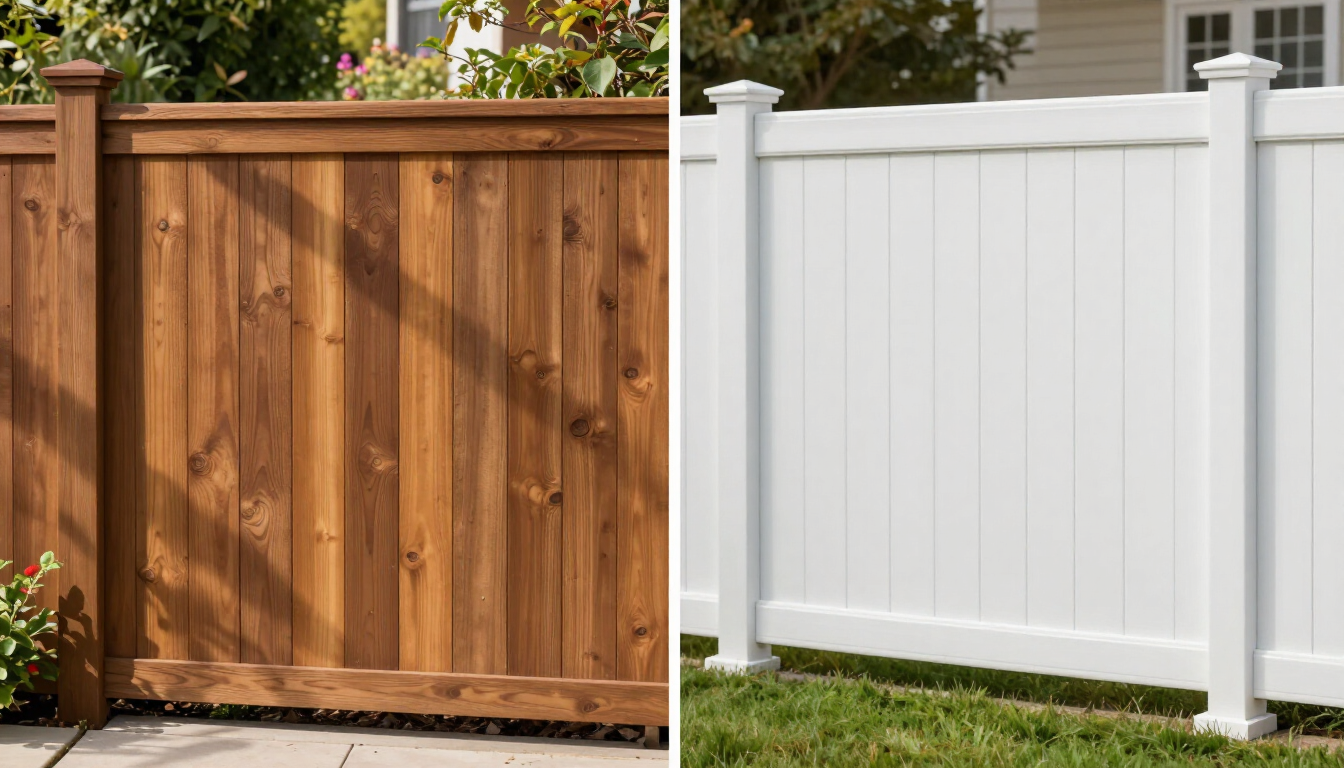
Proper preparation helps ensure a smooth installation process, reduces delays, and protects your property. Whether you're installing a redwood privacy fence, vinyl fencing, chain link fencing, or decorative iron fencing, taking a few steps before the project begins can make a significant difference.
If you're planning a fence installation in Sacramento, Elk Grove, Roseville, Woodland, Galt, Dixon, Redding, or surrounding communities, this guide explains how to prepare your yard and what to expect before construction starts.
Why Preparation Matters
Fence installation involves much more than simply digging holes and attaching panels. Professional crews need clear access to the property and must account for underground utilities, landscaping, gates, and terrain conditions.
Preparing your yard beforehand helps:
- Avoid project delays
- Prevent accidental damage to landscaping
- Improve installation efficiency
- Protect pets and family members
- Ensure proper property line placement
- Reduce surprises during construction
The better prepared your yard is, the smoother the project will go.
Confirm Property Lines
One of the most important steps before fence installation is confirming exactly where your property lines are located.
Installing a fence in the wrong location can create:
- Neighbor disputes
- Costly adjustments
- Legal issues
- Delays
Ways to verify property lines include:
- Reviewing your property survey
- Locating property markers
- Consulting a surveyor if needed
- Discussing plans with neighbors
Even if an old fence exists, do not assume it sits directly on the property line. Previous installations may not have been positioned correctly.
Understand Local Regulations
Fence regulations vary throughout Sacramento County and nearby cities.
Local requirements may involve:
- Maximum fence height
- Front-yard restrictions
- Setback requirements
- Permit requirements
- HOA guidelines
Experienced local fence contractors understand these regulations and can help ensure compliance before construction begins.
Planning ahead helps avoid unexpected issues later.
Mark Underground Utilities
Before any post holes are dug, underground utility lines must be identified.
Utilities may include:
- Gas lines
- Water lines
- Electrical service
- Irrigation systems
- Internet cables
- Sewer lines
Professional contractors typically coordinate utility marking services before installation begins.
Knowing where utilities are located helps protect both your property and the installation crew.
Trim Landscaping Near the Fence Line
Trees, shrubs, and plants can interfere with installation equipment and access.
Before installation, consider:
- Trimming bushes near the fence line
- Pruning low tree branches
- Removing weeds and overgrowth
- Relocating potted plants
Clearing vegetation allows installers to work more efficiently and reduces the risk of accidental damage.
It also improves visibility for accurate measurements and post placement.
Move Outdoor Furniture and Decorations
Many homeowners overlook patio furniture and decorative items when preparing for fence installation.
Items to relocate include:
- Patio furniture
- Grills
- Fire pits
- Garden decorations
- Children's toys
- Planters
- Hose reels
Moving these items creates a safer work area and prevents damage during construction.
Protect Valuable Plants
Most fence installations can be completed without disturbing landscaping, but plants located directly along the fence line may be vulnerable.
Sensitive areas include:
- Flower beds
- Vegetable gardens
- Young shrubs
- Decorative trees
Discuss any valuable landscaping with your contractor before work begins.
Temporary protection or relocation may be recommended for certain plants.
Locate Irrigation Systems
Sprinkler systems often run close to property lines.
Homeowners should identify:
- Sprinkler heads
- Irrigation lines
- Drip systems
- Valve boxes
Accidental damage to irrigation systems can create delays and additional costs.
If possible, mark sprinkler locations before installation day.
Create Access for the Installation Crew
Fence crews need space to transport materials and equipment.
Helpful preparations include:
- Unlocking side gates
- Clearing pathways
- Removing obstacles
- Moving vehicles from work areas
Easy access allows installers to complete projects more efficiently.
If your property has narrow spaces or unusual terrain, discuss access concerns before installation begins.
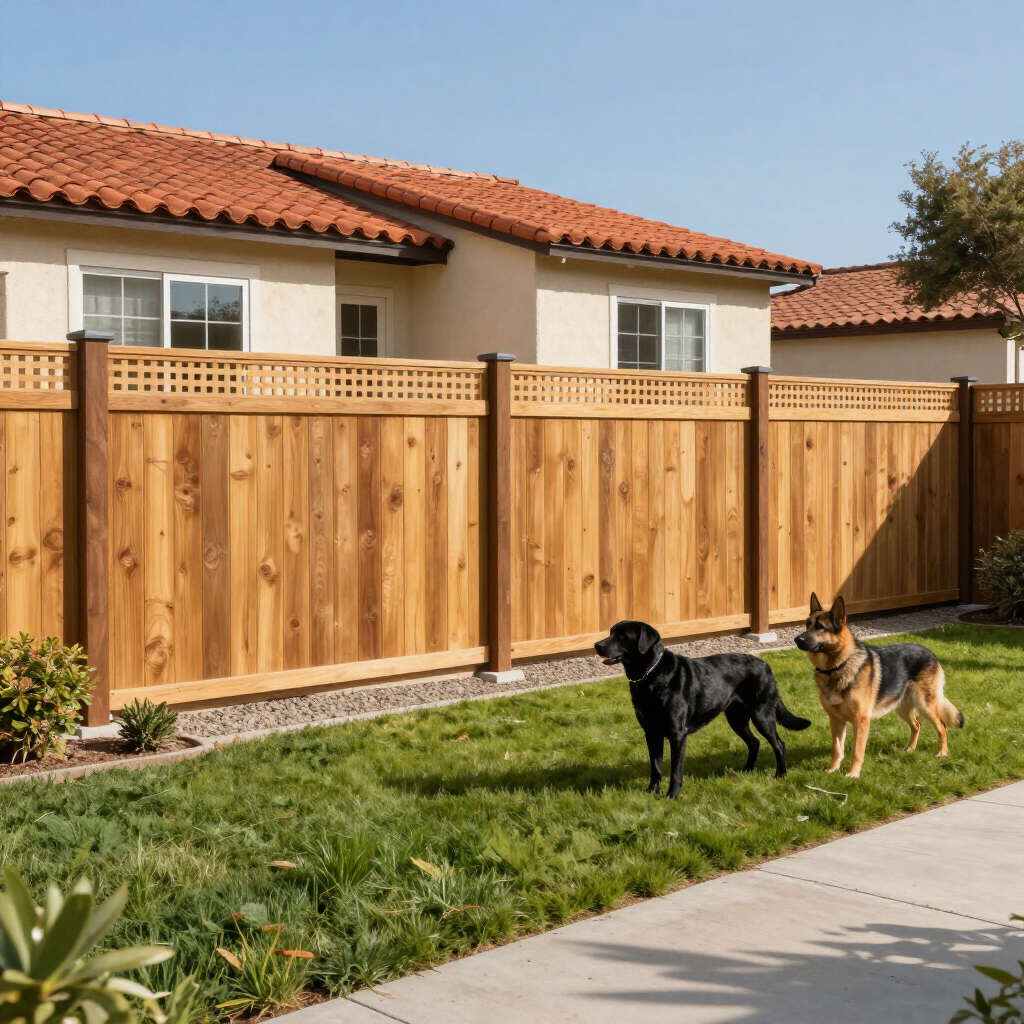
Consider Your Pets
Fence installation can be noisy and disruptive for pets.
Dogs and cats may become stressed by:
- Equipment noise
- Unfamiliar workers
- Open access points
Before construction begins, homeowners should:
- Keep pets indoors
- Arrange temporary containment
- Inform installers about animals on the property
Protecting pets during construction ensures everyone's safety.
Prepare Children for Construction Activity
Families with young children should take additional precautions.
Fence installation involves:
- Power tools
- Digging equipment
- Heavy materials
Children should remain clear of active work zones throughout the project.
Creating temporary play areas away from construction helps maintain safety.
Discuss Existing Fence Removal
If replacing an older fence, discuss removal beforehand.
Questions to ask include:
- Will the contractor remove the old fence?
- Is disposal included?
- Will posts and concrete footings be removed?
- Can any materials be reused?
Understanding the removal process helps homeowners prepare their yard and avoid surprises.
Understand Terrain Challenges
Not every yard is perfectly flat.
Slopes, drainage issues, and uneven terrain may affect:
- Fence height
- Post depth
- Material requirements
- Installation time
Experienced contractors account for these challenges and recommend solutions that maintain appearance and durability.
Properties in Sacramento and surrounding areas often contain varying soil conditions that require specialized installation methods.
Plan Gate Locations Carefully
Gate placement affects the functionality of the fence.
Consider:
- Access to driveways
- Garbage collection routes
- Pool areas
- Garden access
- Equipment storage
Discuss gate locations before installation begins to ensure they meet your needs.
Making changes after installation is more difficult and expensive.
Check Homeowners Association Requirements
Many communities in Elk Grove, Roseville, and Sacramento have HOA regulations.
These rules may govern:
- Fence height
- Approved materials
- Colors
- Styles
- Placement
Obtaining approval before construction begins helps prevent delays or required modifications later.
Expect Some Minor Yard Disturbance
Fence installation naturally involves digging and movement of materials.
Minor impacts may include:
- Small piles of soil
- Temporary grass compression
- Foot traffic near work areas
Professional contractors strive to minimize disruption and clean up thoroughly after installation.
Most lawns recover quickly after completion.
Communicate With Neighbors
Good communication helps prevent misunderstandings.
Neighbors appreciate advance notice about:
- Installation schedules
- Temporary access needs
- Noise during construction
Friendly communication often makes the process easier for everyone involved.
Why Professional Installation Makes Preparation Easier
Experienced contractors guide homeowners through every stage of preparation.
Professional fence companies help with:
- Property line questions
- Utility coordination
- Material recommendations
- Gate planning
- Terrain challenges
- Permit considerations
This expertise minimizes stress and helps ensure successful results.
Learn more here:
Frequently Asked Questions
Should I mow my lawn before fence installation?
Yes. Short grass makes measurements easier and improves access for installation crews.
Will installers remove my old fence?
Many contractors provide fence removal services. Confirm this during the estimate process.
Do I need to be home during installation?
Not always, but homeowners should remain available by phone in case questions arise.
How long does fence installation take?
Most residential projects are completed within one to three days, depending on size and complexity.
Schedule a Free Fence Estimate
Top Rail Fence Corporation proudly serves Sacramento, Elk Grove, Roseville, Woodland, Galt, Dixon, Redding, Anderson, Cottonwood, Red Bluff, Shasta Lake, Millville, and surrounding communities.
With over 70 years of combined experience, our family-owned company specializes in redwood, cedar, vinyl, chain link, iron, and ranch fencing. We are committed to punctual service, professional craftsmanship, and making every fence installation process as smooth as possible from start to finish.
To schedule a free estimate, call
(530) 782-1823 or email
toprailfencecorp@gmail.com. Business hours are Monday through Friday from 8:00 AM to 5:00 PM.
Recent Posts