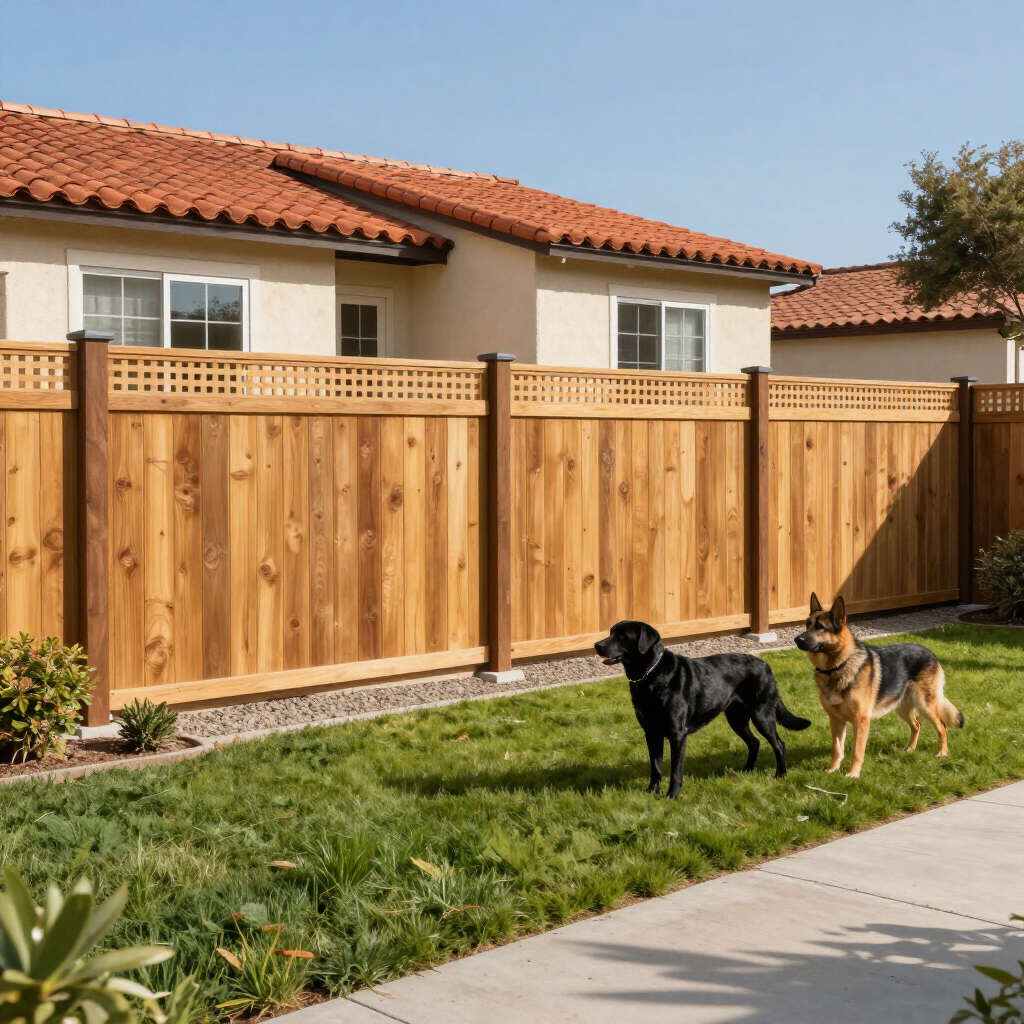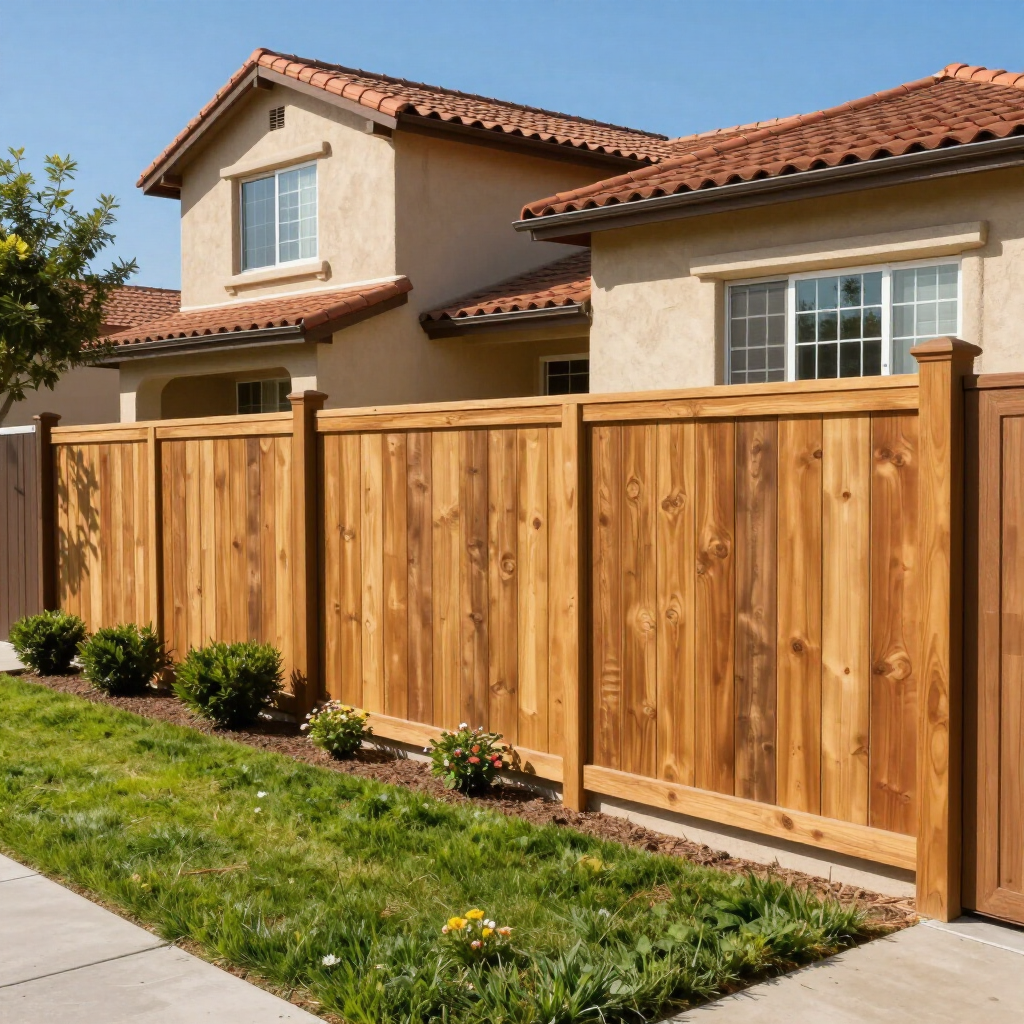
How Long Does a Fence Last in California’s Climate?
Factors That Affect Lifespan and How to Maximize Durability
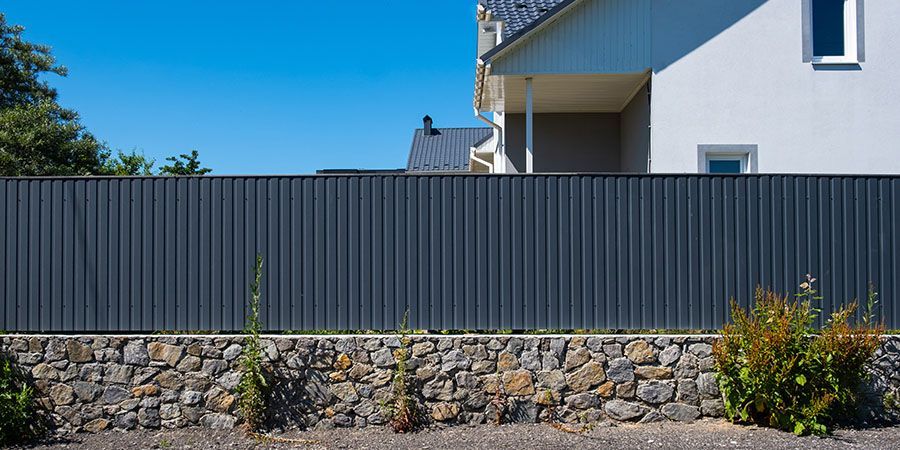
If you are planning a fence installation or considering replacing an existing fence, one of the most important questions to ask is
how long a fence lasts in California’s climate. Fence lifespan varies significantly depending on material type, installation quality, maintenance, and local weather conditions.
In Northern California, including Sacramento and surrounding areas, fences must withstand hot summers, mild winters, seasonal rain, and shifting soil conditions. In this guide, we break down the expected lifespan of common fence materials and explain what homeowners can do to maximize durability and long-term value.
Why California’s Climate Impacts Fence Longevity
California’s climate is often considered favorable compared to harsher regions, but it still presents challenges for fencing materials. In the Sacramento region, extended summer heat can dry out wood, while winter moisture can affect post stability and promote rot if not properly addressed.
Key environmental factors that influence fence lifespan include:
- Prolonged sun exposure
- Seasonal rainfall
- Soil expansion and contraction
- Temperature fluctuations
A fence that is properly installed and maintained with these factors in mind will last significantly longer than one that is not.
Average Fence Lifespan by Material in California
Redwood Fencing Lifespan
Redwood is one of the most durable wood fencing options available and is especially popular in Northern California.
Average lifespan:
- 20 to 30 years with proper maintenance
- Longer when installed professionally and regularly sealed
Redwood contains natural tannins that resist rot and insects, making it well-suited for California’s climate. Regular staining or sealing every few years helps preserve color and structural integrity.
Redwood fencing is often chosen by homeowners who want long-term durability and a premium appearance.
Cedar Fencing Lifespan
Cedar fencing is another popular wood option in California, though it generally does not last as long as redwood.
Average lifespan:
- 15 to 25 years with proper maintenance
Cedar has natural oils that resist insects and decay, but it is softer than redwood and more susceptible to wear over time. Regular sealing is essential to extend its lifespan, especially in areas with direct sun exposure.
Cedar fencing offers a balance between affordability and durability.
Vinyl Fencing Lifespan
Vinyl fencing is one of the longest-lasting fencing materials available for residential use.
Average lifespan:
- 25 to 30 years or more
Vinyl does not rot, warp, or attract insects, making it highly resistant to California weather conditions. High-quality vinyl fencing includes UV inhibitors to reduce sun fading and brittleness.
Because vinyl requires minimal maintenance, it is often considered one of the best long-term investments for homeowners planning to stay in their homes.
Chain Link Fencing Lifespan
Chain link fencing is known for its strength and practicality.
Average lifespan:
- 20 to 30 years
Galvanized or vinyl-coated chain link fences resist rust and corrosion, especially when installed correctly. In California’s relatively mild climate, chain link fencing often lasts decades with minimal upkeep.
Chain link is commonly used for residential boundaries, commercial properties, and security fencing.
Iron and Metal Fencing Lifespan
Iron fencing is one of the most durable fencing options available.
Average lifespan:
- 30 years or more with proper maintenance
Wrought iron and ornamental metal fences are extremely strong but require occasional maintenance to prevent rust. Powder-coated finishes and regular inspections help extend lifespan.
Iron fencing is often chosen for security, aesthetics, and long-term performance.
Ranch and Field Fencing Lifespan
Ranch and field fencing is commonly used for agricultural and rural properties.
Average lifespan:
- 15 to 25 years depending on materials used
Wire fencing, steel posts, and treated wood components all contribute to overall durability. Proper installation and occasional repairs help maximize longevity.
Factors That Affect Fence Lifespan in California
Installation Quality
Even the best materials will fail prematurely if installed incorrectly. Proper post depth, spacing, and anchoring are critical, especially in Sacramento-area soil conditions.
Professional installation ensures:
- Posts are set deep enough for stability
- Concrete footings cure properly
- Panels remain level and secure
Poor installation is one of the leading causes of early fence failure.
Maintenance and Upkeep
Maintenance plays a major role in fence longevity, especially for wood fencing.
Maintenance tasks may include:
- Sealing or staining wood fences
- Inspecting posts for movement
- Tightening hardware
- Addressing minor damage early
Regular maintenance can add years to a fence’s lifespan.
Sun Exposure and Placement
Fences exposed to constant sunlight will age faster than those with partial shade. South- and west-facing fences in Sacramento often experience more intense sun exposure.
Choosing UV-resistant materials or maintaining finishes helps mitigate sun damage.
Soil and Drainage Conditions
Poor drainage can accelerate rot and instability, particularly for wood posts. Sacramento’s soil can expand and contract with moisture changes, affecting post alignment.
Proper drainage and installation techniques reduce long-term issues.
Signs That a Fence Is Reaching the End of Its Lifespan
Homeowners should watch for warning signs that a fence may need repair or replacement.
Common indicators include:
- Leaning or sagging sections
- Rotting or splitting wood
- Loose or shifting posts
- Rusted or damaged metal components
- Frequent need for repairs
Addressing problems early may extend the life of the fence, but widespread issues often signal it is time for replacement.
Repair vs. Replacement: Which Is Better?
The body content of your post goes here. To edit this text, click on it and delete this default text and start typing your own or paste your own from a different sourceIf only small sections of a fence are damaged, repairs may be sufficient. However, if posts are failing or multiple panels are deteriorating, replacement is often more cost-effective long-term.
A professional fence contractor can assess the condition of your fence and recommend the best solution.
How to Extend the Life of Your Fence in California
Homeowners can take several steps to maximize fence lifespan:
- Schedule regular inspections
- Seal or stain wood fences every few years
- Keep vegetation away from fence panels
- Address drainage issues near posts
- Hire experienced local contractors for installation and repairs
These steps help protect your investment and maintain curb appeal.
Why Material Choice Matters in Sacramento and Surrounding Areas
Choosing the right fence material for your property is critical. Factors such as neighborhood style, maintenance preferences, and long-term plans should guide material selection.
Learn more about material options here: [Fence Installation Services –
https://www.toprailfence.net/services]
Frequently Asked Questions About Fence Lifespan in California
What fence material lasts the longest in California?
Iron and high-quality vinyl fencing typically offer the longest lifespan with proper installation.
Do wood fences last longer in California than other states?
California’s mild winters help, but sun exposure and heat still affect wood fencing lifespan.
How often should a wood fence be sealed?
Most wood fences should be sealed or stained every two to three years.
Does replacing posts extend fence life?
Yes, replacing failing posts can significantly extend the life of a fence if panels are still in good condition.
Get Expert Advice on Fence Longevity
If you are considering a new fence or wondering whether your existing fence needs repair or replacement, Top Rail Fence Corporation can help. With decades of experience serving Sacramento and surrounding communities, our team provides honest assessments and long-lasting solutions.
Call
(530) 782-1823 to schedule a free estimate or email toprailfencecorp@gmail.com. Business hours are Monday through Friday, 8:00 AM to 5:00 PM.
Work with a local fence contractor who understands California’s climate and how to build fences that last.
Recent Posts