Do You Need a Permit to Build a Fence in Sacramento County?
Fence Permit Requirements in Sacramento County
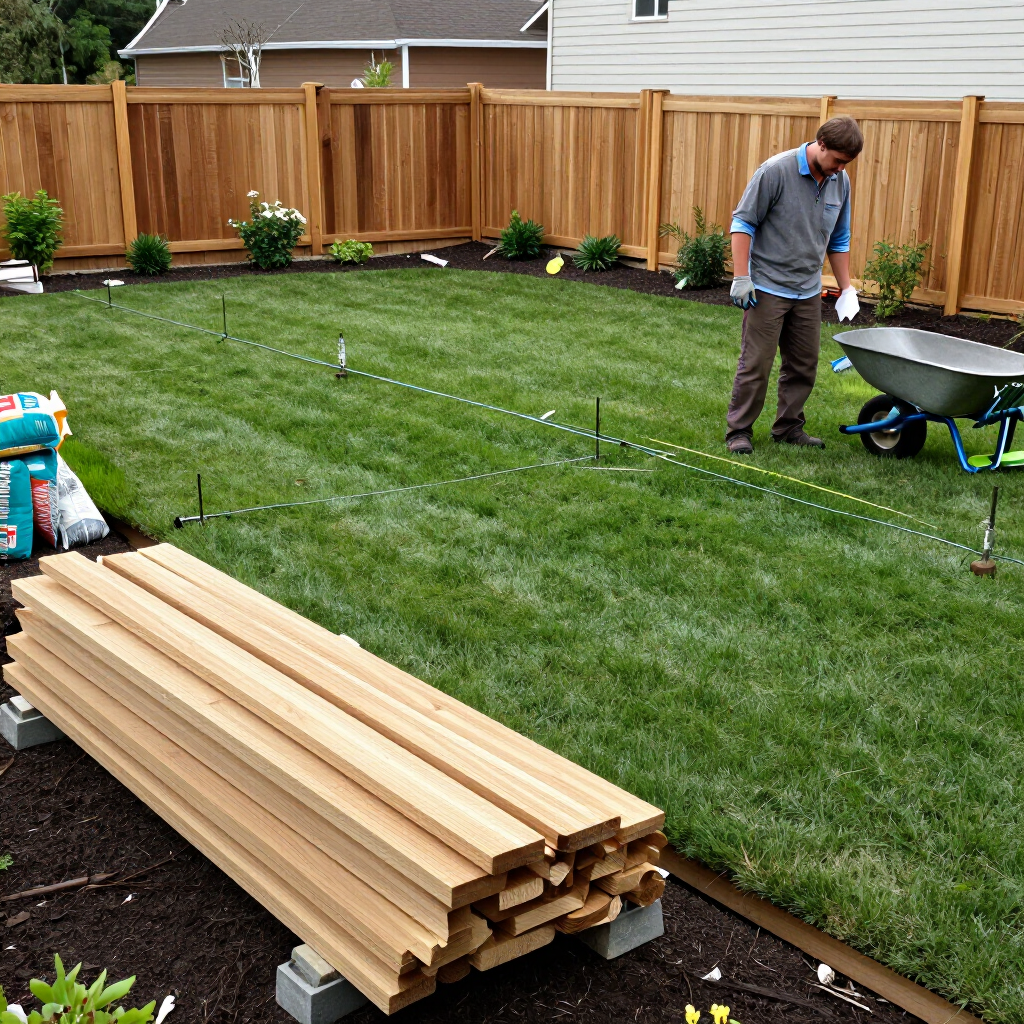
One of the most common questions homeowners ask before starting a fence project is whether a permit is required. If you live in Sacramento or the surrounding areas, understanding fence permit requirements in Sacramento County is an important step in avoiding fines, delays, or forced modifications after installation.
Fence regulations vary by city, county, property type, and even neighborhood. In this guide, we break down when a fence permit is required, typical height and placement rules, and how working with an experienced local fence contractor can simplify the entire process.
Why Fence Permits Exist
Fence permits are not meant to make projects difficult. They exist to ensure fences are built safely, respect property lines, and comply with zoning and visibility regulations.
Permits help:
- Prevent disputes between neighbors
- Maintain traffic and pedestrian visibility
- Ensure fences do not interfere with utilities
- Enforce consistent community standards
Failing to obtain a required permit can result in fines, stop-work orders, or being forced to remove or modify the fence.
Do You Always Need a Fence Permit in Sacramento County?
Not every fence requires a permit, but many do depending on height, location, and property zoning.
In general, a permit may be required if:
- The fence exceeds a certain height
- The fence is located in a front yard or corner lot
- The property is commercial or multi-family
- The fence is within a visibility or easement area
Because rules can vary by jurisdiction, it is important to verify requirements with the local building department before installation.
Common Fence Height Rules in Sacramento County
While exact regulations can differ by city, the following general guidelines often apply:
- Front yard fences are typically limited to around 3 to 4 feet in height
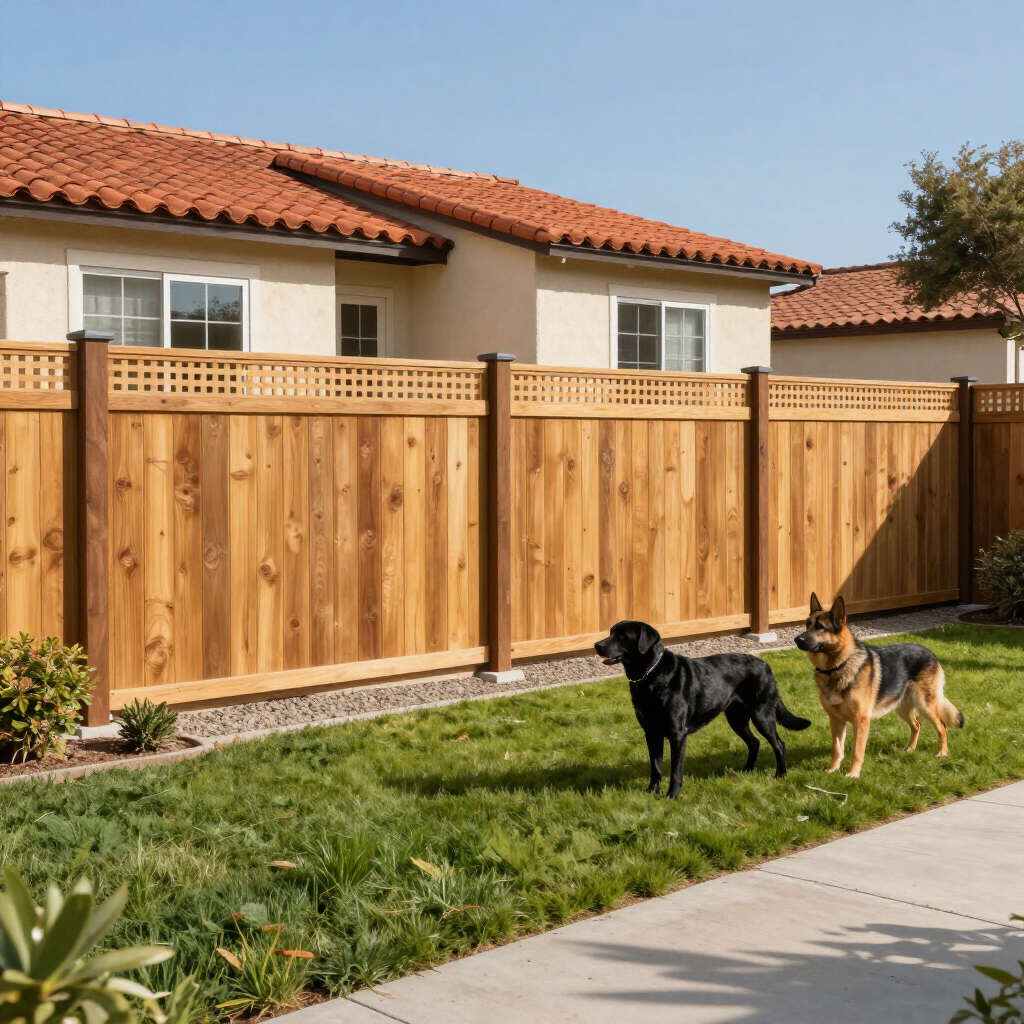
- Side and backyard fences are often allowed up to 6 or 7 feet
- Corner lots may have additional visibility restrictions
- Decorative fences may have different allowances than privacy fences
Exceeding these limits often triggers the need for a permit and possibly additional approvals.
City-Specific Rules Within Sacramento County
Sacramento County includes multiple cities and unincorporated areas, each with its own building department and code enforcement.
Cities and areas may include:
- City of Sacramento
- Elk Grove
- Roseville
- Woodland
- Galt
- Folsom
- Unincorporated Sacramento County
Each jurisdiction may interpret fence height, placement, and permit requirements differently. This is why local experience is critical when planning a fence project.
When a Fence Permit Is Typically Required
You are more likely to need a permit if your fence:
- Exceeds standard height limits
- Is built in a front yard
- Is located near a street intersection
- Is installed on commercial property
- Includes masonry, concrete, or retaining elements
Pool fences often have additional safety requirements and inspections.
Property Lines and Setbacks
One of the most overlooked aspects of fence installation is property line accuracy. Building a fence even a few inches onto a neighboring property can lead to disputes or legal action.
Before installing a fence:
- Review your property survey if available
- Confirm lot boundaries
- Understand required setbacks
Some jurisdictions require fences to be set back from sidewalks, streets, or utility easements.
HOA Rules and Neighborhood Guidelines
In addition to city or county permits, homeowners associations often have their own fence rules. These may regulate:
- Fence height
- Fence materials
- Fence color or style
- Placement and visibility
Even if a city permit is not required, HOA approval may still be necessary. Failing to follow HOA guidelines can result in fines or mandatory fence removal.
What Happens If You Build a Fence Without a Required Permit?
Building without a required permit can create significant problems. Homeowners may face:
- Fines or penalties
- Stop-work notices
- Required inspections after installation
- Forced fence modifications or removal
Correcting permit issues after installation is often more expensive and stressful than addressing them upfront.
How a Professional Fence Contractor Helps With Permits
Experienced local fence contractors understand Sacramento County regulations and city-specific requirements. They can help determine whether a permit is required and guide homeowners through the process.
A professional contractor may:
- Identify permit requirements during the estimate
- Advise on fence height and placement
- Assist with documentation or drawings
- Coordinate inspections if required
This expertise reduces risk and helps projects move forward smoothly.
Learn more about local fence services here: [Fence Installation Services – https://www.toprailfence.net/services]
Fence Materials and Permit Considerations
Certain materials may trigger additional scrutiny.
Wood Fencing
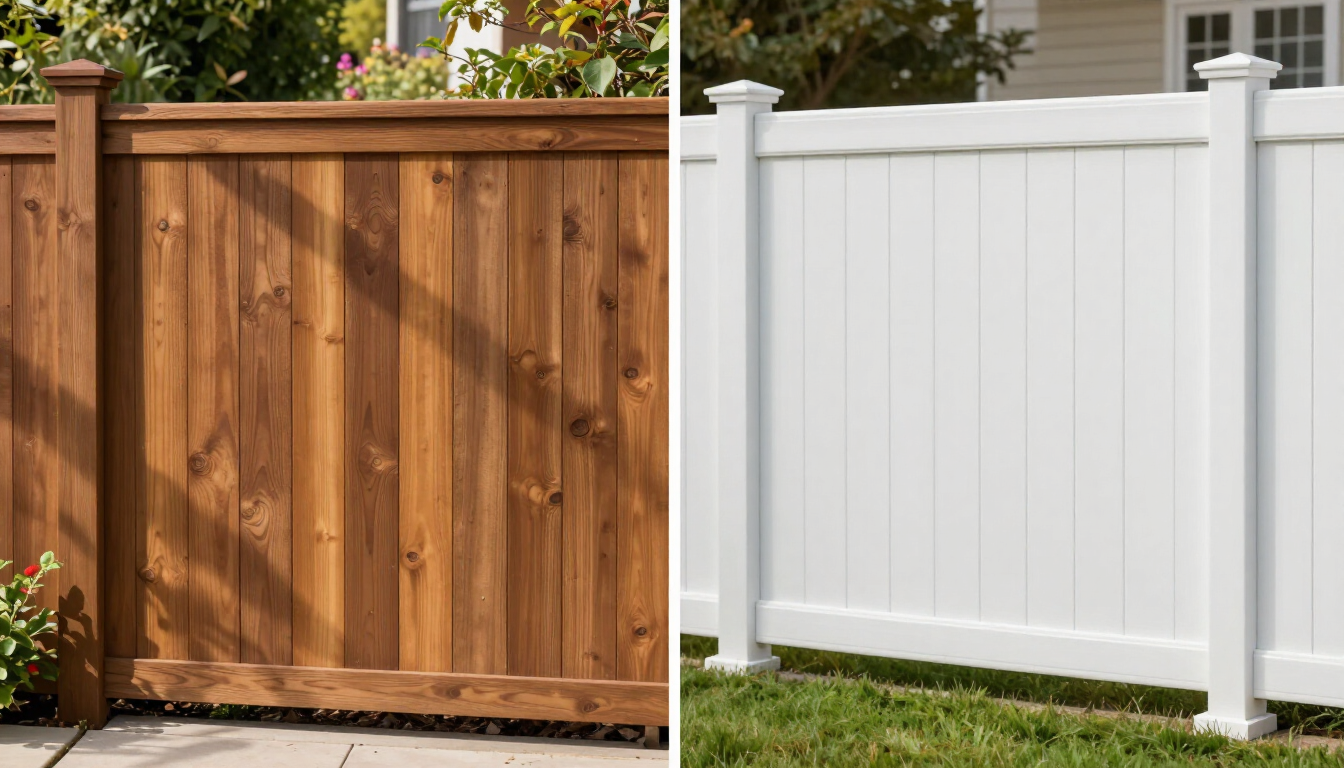
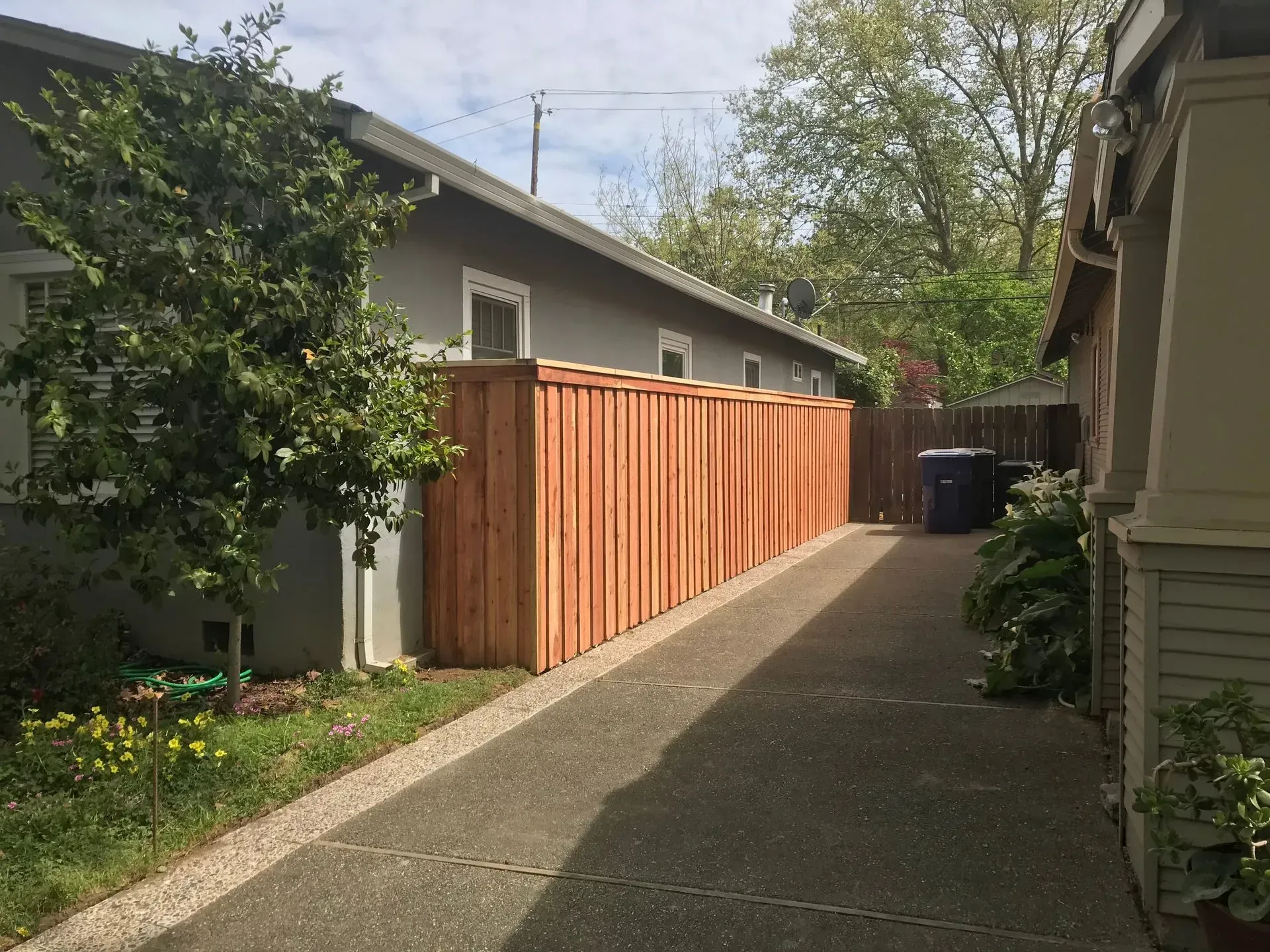
Standard redwood or cedar fences within height limits often do not require permits, but exceptions apply for front-yard or tall fences.
Vinyl Fencing
Vinyl fencing is treated similarly to wood in most jurisdictions, but height and placement still matter.
Iron and Metal Fencing
Iron fencing in front yards may be subject to visibility requirements. Decorative styles are sometimes allowed at greater heights if open-design rules are met.
Chain Link Fencing
Chain link fences may have different rules for residential versus commercial properties.
Permits for Commercial and Agricultural Properties
Commercial properties, rental properties, and agricultural land often have stricter fencing requirements. Permits are more commonly required, especially for security fencing or perimeter enclosures.
Ranch and field fencing in rural areas may be treated differently, but zoning still applies.
How Long Does the Fence Permit Process Take?
Permit timelines vary by jurisdiction and project complexity. Simple permits may be issued within days, while others take several weeks.
Factors affecting permit timelines include:
- City workload
- Project scope
- HOA review requirements
- Zoning complexity
Planning ahead helps avoid delays.
Frequently Asked Questions About Fence Permits in Sacramento County
Do I need a permit to replace an existing fence?
Replacing a fence with the same height and location often does not require a permit, but changes may trigger requirements.
Can my neighbor stop me from building a fence?
Neighbors cannot stop a legal fence on your property, but disputes can arise if property lines or height rules are violated.
Are fence permits expensive?
Fence permits are generally affordable, especially compared to the cost of correcting violations later.
Who is responsible for checking permit requirements?
Ultimately, the homeowner is responsible, but working with a professional contractor greatly reduces risk.
Get Expert Help Before Building Your Fence
If you are planning a fence installation and are unsure about permit requirements in Sacramento County, Top Rail Fence Corporation is here to help. Our team has extensive experience working throughout Sacramento, Elk Grove, Roseville, Woodland, Galt, Dixon, Folsom, and surrounding areas.
We help homeowners understand regulations, avoid costly mistakes, and complete fence projects with confidence.
Call
(530) 782-1823 to schedule a free estimate or email
toprailfencecorp@gmail.com. Business hours are Monday through Friday, 8:00 AM to 5:00 PM.
Work with a local fence contractor who understands Sacramento County requirements from the start.
Recent Posts