Common Fence Installation Mistakes (And How to Avoid Them)
Fence Installation Mistakes to Avoid
Fence installation may seem straightforward, but mistakes during planning or construction can lead to serious problems over time. From leaning posts to neighbor disputes and premature fence failure, many of the most expensive fencing issues are the result of avoidable errors.
For homeowners in Sacramento and surrounding areas, understanding the most common
fence installation mistakes can save time, money, and frustration. This guide outlines the most frequent fencing errors and explains how working with a professional contractor helps prevent them.
Why Fence Installation Mistakes Are So Common
Fence installation involves more than digging holes and attaching panels. It requires knowledge of soil conditions, material behavior, local regulations, and proper construction techniques.
Mistakes often occur when:
- Homeowners attempt DIY installation without experience
- Contractors lack local knowledge
- Proper planning is skipped
- Materials are chosen incorrectly
Even small errors can compound over time, leading to costly repairs or full replacement.
Mistake 1: Failing to Check Property Lines
One of the most serious and common fence installation mistakes is failing to confirm property boundaries. Installing a fence even a few inches onto a neighbor’s property can lead to disputes, legal action, or forced removal.
How to avoid this mistake:
- Review your property survey if available
- Confirm boundary lines before installation
- Communicate with neighbors when appropriate
Professional fence contractors understand the importance of accurate placement and can help ensure fences are installed correctly within property lines.
Mistake 2: Ignoring Local Fence Codes and Permit Requirements
Fence height, placement, and design are regulated by city and county codes throughout Sacramento and surrounding communities. Ignoring these rules can result in fines or removal orders.
Common code-related mistakes include:
- Building fences too tall
- Installing front-yard fences without approval
- Violating corner-lot visibility rules
Avoiding this mistake requires researching local regulations or working with a contractor familiar with Sacramento County requirements.
Mistake 3: Improper Post Depth and Spacing
Fence posts are the foundation of any fence. One of the most frequent installation errors is setting posts too shallow or spacing them incorrectly.
Consequences of improper post installation include:
- Leaning or sagging fences
- Reduced wind resistance
- Shortened fence lifespan
In Sacramento’s soil conditions, proper post depth and concrete footings are critical for long-term stability. Professional installation ensures posts are set correctly for the chosen fence material.
Mistake 4: Choosing the Wrong Fence Material
Not all fencing materials perform equally in California’s climate. Selecting a material without considering heat, sun exposure, and maintenance requirements can lead to disappointment.
Common material mistakes include:
- Choosing untreated wood that rots quickly
- Installing low-quality vinyl without UV protection
- Selecting decorative fencing where privacy is needed
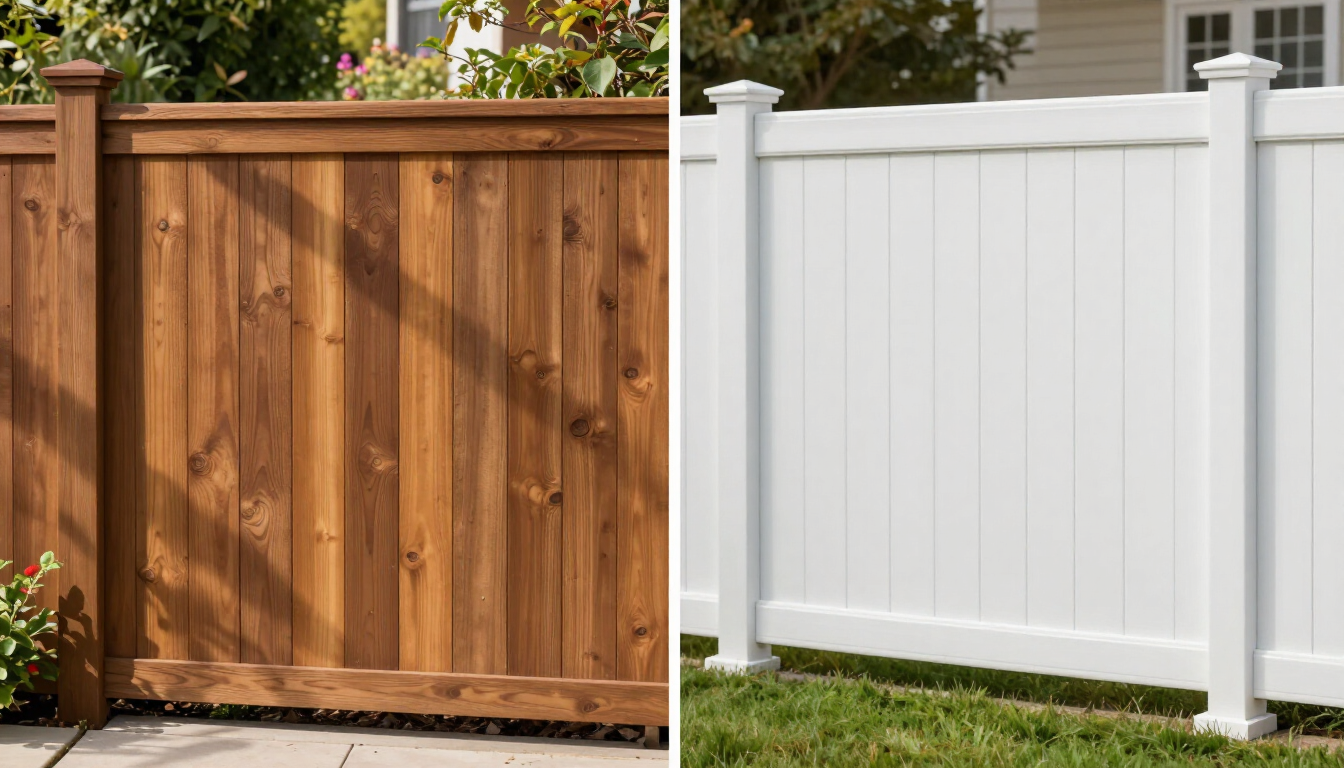
Understanding the strengths and limitations of materials such as redwood, cedar, vinyl, iron, and chain link helps homeowners make better decisions.
Learn more about material options here: Fence Installation Services – https://www.toprailfence.net/services
Mistake 5: Poor Drainage Around Fence Posts
Water buildup around fence posts accelerates rot, corrosion, and instability. Poor drainage is a hidden issue that often goes unnoticed until damage appears.
Signs of drainage-related problems include:
- Rotting wood posts
- Loose or shifting fence sections
- Premature fence failure
Professional installers account for drainage by setting posts correctly, using appropriate materials, and avoiding low spots when possible.
Mistake 6: Inconsistent Fence Lines and Poor Alignment
Uneven fence lines and misaligned panels affect both appearance and structural integrity. This often occurs when installation is rushed or proper measurements are skipped.
Problems caused by poor alignment:
- Reduced curb appeal
- Stress on fence panels
- Gate misalignment
Professional fence installers use proper tools and techniques to maintain straight, level fence lines throughout the project.
Mistake 7: Installing Gates Incorrectly
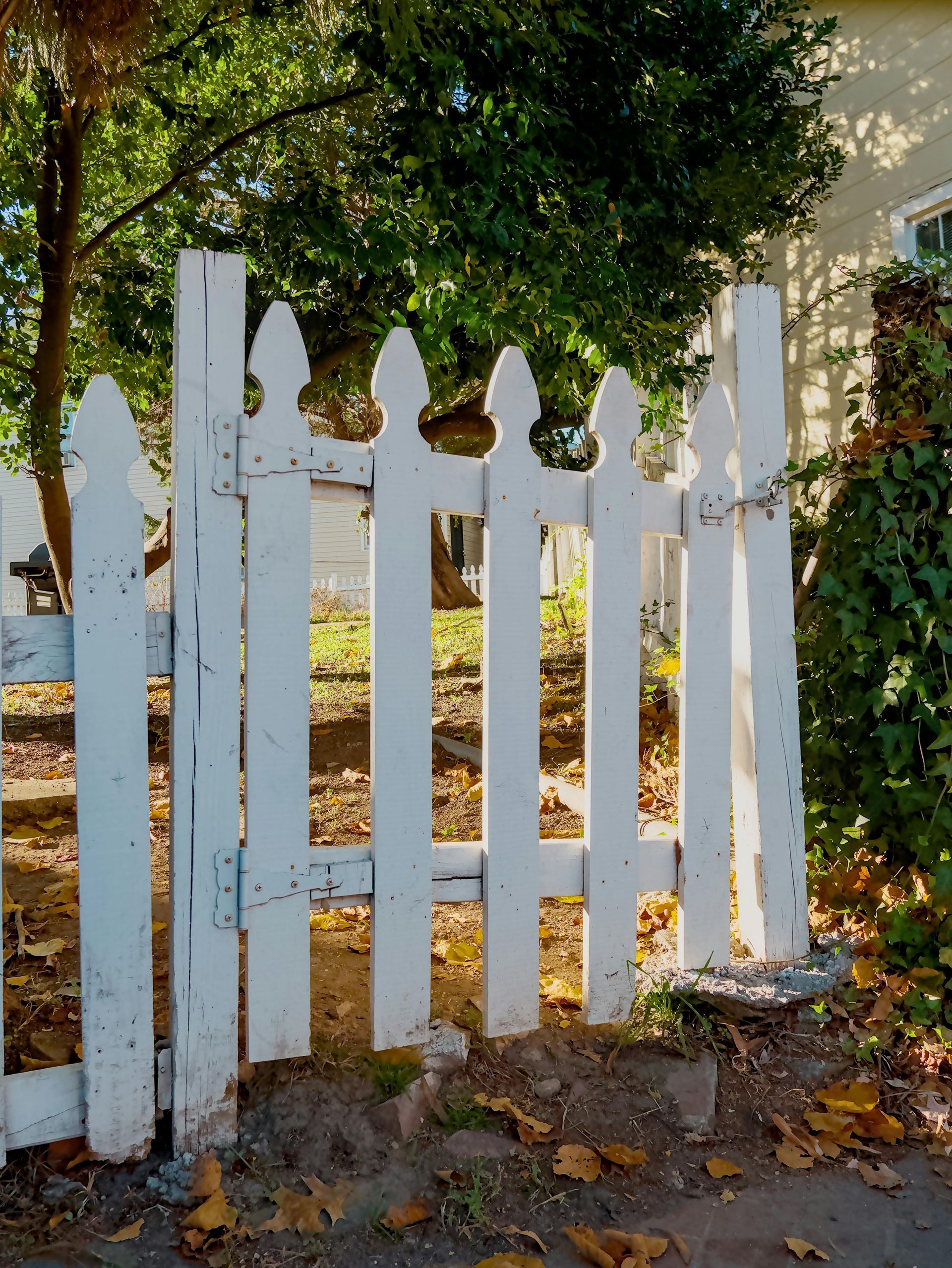
Fence gates experience more movement and stress than other fence components. Improper gate installation is a frequent cause of sagging and operational issues.
Common gate mistakes include:
- Inadequate post reinforcement
- Poor hinge placement
- Incorrect gate sizing
Correct gate installation requires reinforced posts and precise hardware placement to ensure smooth operation over time.
Mistake 8: Overlooking Maintenance Requirements
Every fence material has maintenance needs. Homeowners who do not plan for maintenance often face premature deterioration.
Maintenance-related mistakes include:
- Failing to seal or stain wood fences
- Ignoring early signs of damage
- Allowing vegetation to grow against fences
Understanding and committing to proper maintenance extends fence lifespan and preserves appearance.
Mistake 9: Hiring the Cheapest Contractor Without Research
Choosing a fence contractor based solely on price is a common mistake. Extremely low bids may indicate poor materials, rushed labor, or lack of licensing.
Potential risks include:
- Inexperienced crews
- No warranty coverage
- Poor workmanship
Homeowners should look for licensed, insured contractors with proven local experience and positive reviews.
Mistake 10: Not Planning for Long-Term Use
Fences should be planned with future needs in mind. Failing to consider long-term use can lead to regret.
Examples include:
- Installing a low fence when privacy is desired
- Choosing materials unsuited for long-term residence
- Ignoring resale considerations
Planning ahead ensures the fence continues to meet your needs for years to come.
How Professional Installation Prevents Costly Mistakes
Professional fence contractors bring experience, training, and local knowledge to every project. This reduces errors and improves overall results.
Benefits of professional installation include:
- Code compliance
- Proper material selection
- Correct post placement
- Clean, professional appearance
- Long-term durability
Working with a local contractor familiar with Sacramento-area conditions significantly reduces risk.
Why Local Experience Matters in Sacramento
Sacramento’s soil composition, climate patterns, and city regulations create unique challenges for fence installation. Contractors without local experience may overlook critical details.
Local professionals understand:
- Seasonal soil movement
- Permit requirements
- Neighborhood guidelines
- Material performance in Northern California
This knowledge leads to better outcomes.
Frequently Asked Questions About Fence Installation Mistakes
Can fence mistakes be fixed after installation?
Some issues can be repaired, but major problems often require partial or full replacement.
How can I tell if a fence was installed incorrectly?
Signs include leaning posts, uneven lines, sagging gates, and premature material damage.
Is DIY fence installation a good idea?
DIY installation may work for small projects, but professional installation is recommended for long-term durability and code compliance.
How much do installation mistakes cost to fix?
Costs vary, but fixing mistakes often costs more than installing the fence correctly the first time.
Avoid Fence Installation Mistakes With a Trusted Local Contractor
If you are planning a fence installation or are concerned about an existing fence, Top Rail Fence Corporation is here to help. With decades of experience and a reputation for punctual service and quality craftsmanship, our team ensures every project is done right the first time.
Call
(530) 782-1823 to schedule a free estimate or email
toprailfencecorp@gmail.com. Business hours are Monday through Friday, 8:00 AM to 5:00 PM.
Protect your investment by working with a local fence contractor who understands how to avoid common fencing mistakes.
Recent Posts